






I lift up my eyes to the hills — where does my help come from? My help comes from the Lord, the Maker of heaven and earth.
Psalm 121:1-2
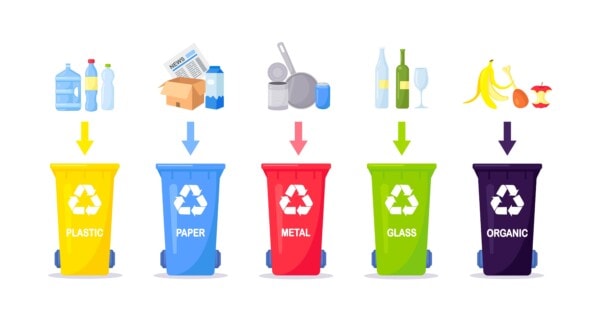
Recyling
Doing what we can to recycle
Reuse
Reusing, repurposing, donating items
Composting
Composting when we can
Green Home Day
October 26, 2025
As Christians we are called to steward God’s creation, and what better place to start than in our own homes. On Sunday, October 26 the Hills Church Green Team sponsored home visits to three environmentally friendly homes in the area to learn from their owners what they do to reduce their home’s carbon footprint and live sustainably.
The group of 12 church members convened at 1:00 pm at the home of Becky and Robert Williams in Natick’s Walnut Hill neighborhood. There we learned about solar panels, heat pumps, ductless mini-splits, EV charging, tankless hot water heaters, induction ovens and cooktops, composting, and more. At 2:00 pm the group moved to Wellesley’s Dana Hall area and the home of Tia Pinney and Kevin Groppe where we learned about sustainable landscaping practices from Tia, a Senior Naturalist with Mass Audubon. Our third and final home visit, at 3:00 pm, was at the home of Jo and Andrew Okun, located near Wellesley High School. This LEED Platinum certified structure was designed with numerous sustainable features, including in-ground rainwater cisterns, sustainably sourced materials, triple-paned windows and high R-factor insulation, solar panels, heat pumps, an air exchanger, induction cooking equipment, and more. On hand at this last site were representatives from Wellesley Municipal Light Plant and Wellesley Climate Action. Refreshments were thoughtfully provided by all three homeowners.
Further detail was provided by each homeowner in the form of handouts and/or e-mailed documents after the event. Attendees agreed that they all came away with much to absorb and consider. If you were unable to attend the event and are interested in learning more, contact Green Team member Doug Eisenhart at douglaseis@comcast.net.
Wellesley residents considering any such changes in their own homes may want to consider contacting the town's Wellesley Energy Coaching service, "no-cost guidance from a volunteer trained in clean energy technologies." Find more info on their web page.
In partnership with the SNEUCC's Green Congregation Challenge:
-
Educate
- Engage through worship & spiritual practice, such as: Celebrate God’s Creation on Earth Sunday in worship or offer a time to meditate on Creation
- Offer educational opportunities: Invite a speaker, show a film, or offer another one-time opportunity to learn about the climate crisis.
- Connect with children and youth: Offer a one-time opportunity for children, youth, and/or families to learn about the climate crisis and how it connects to faith.
- Learn about the interconnections of Creation care with the natural world, environmental racism and injustice, and local impacts, such as: Two or more church members learn about local climate impacts and their intersections with racial, economic, and gender justice.
- Learn about global perspectives, such as: Host a one-time program on a global issue of sustainability.
- Connect faith & action: One or more church members attend a program or event led by your state’s Interfaith Power & Light or another interfaith or ecumenical organization about the connections between faith and environmental action.
Learn More About Level One HERE
-
Educate
- Engage through worship & spiritual practice, such as: Annually celebrate Earth Day or add another environmental stewardship worship service to the church’s annual liturgical calendar
- Offer educational opportunities: Offer a book group or bible study with an environmental focus.
- Connect with children and youth: Incorporate creation care and environmental justice into the ongoing faith formation curriculum for children and youth.
- Learn about the interconnections of Creation care with the natural world, environmental racism and injustice, and local impacts, such as: Preaching, leading discussions, and/or convening bible study groups on the intersections of climate, racial, social, and economic injustices.
- Learn about global perspectives: If your congregation has global mission partners or an immigrant population in your community, learn about the impact of climate change on people in those countries/regions and share it with your congregation.
- Connect faith & action: Discuss creation care advocacy as a spiritual discipline through sermons, after-worship conversations, or study groups.
Learn More About Level 2 HERE
-
Educate
- Engage through worship & spiritual practice, such as: Offer a small group or attending a workshop on eco-spirituality.
- Offer educational opportunities: Offer ongoing opportunities to discuss the climate crisis and how it affects people and the more-than-human world, such as through a climate café [link]
- Connect with children and youth: Participate in a youth-led program or event about local or global environmental issues.
- Learn about the interconnections of Creation care with the natural world, environmental racism and injustice, and local impacts, such as (each bullet is its own action point):
- As a congregation, learn how indigenous communities approach creation care.
- As a congregation, learn how indigenous removal and cultural genocide are examples of environmental racism.
- Learn about global perspectives: Host a discussion on materials produced by international leaders, such as a UN report or the Pope’s encyclical.
- Connect faith & action: Gather for prayer or worship before participating in an advocacy effort, such as a march or letter-writing campaign, as a congregation or with other faith communities.
Learn More About Level 3 HERE
-
Educate
- Engage through worship & spiritual practice, such as: Regularly integrating eco-spirituality and care of God’s creation into your congregation’s prayer, worship, and/or spiritual life in every season.
- Offer educational opportunities: Testify how the climate crisis is a matter of faith by spreading the word to people outside your congregation, whether the general public or neighboring congregations.
- Connect with children and youth: Encourage and support youth in your congregation in their leadership around environmental issues.
- Learn about the interconnections of Creation care with the natural world, environmental racism and injustice, and local impacts, such as (each bullet is its own action/point):
- Partner with another congregation or community group whose members are being harmed by climate change or environmental racism and support them in their advocacy.
- Educate the congregation about the indigenous community who first lived on the land where you worship. Learn about that indigenous community (ies) by attending a program or event appropriate to guests or inviting an indigenous speaker to attend your church.
- Learn about global perspectives: Discuss the intersections between war, climate impacts, and forced migration, such as by hosting a speaker or a discussion group.
- Connect faith & action: Through study and sermons, connect the congregation with climate actions involving nonviolent protests and civil disobedience. Encourage members to attend a training on civil disobedience.
Learn More About Level 4 HERE